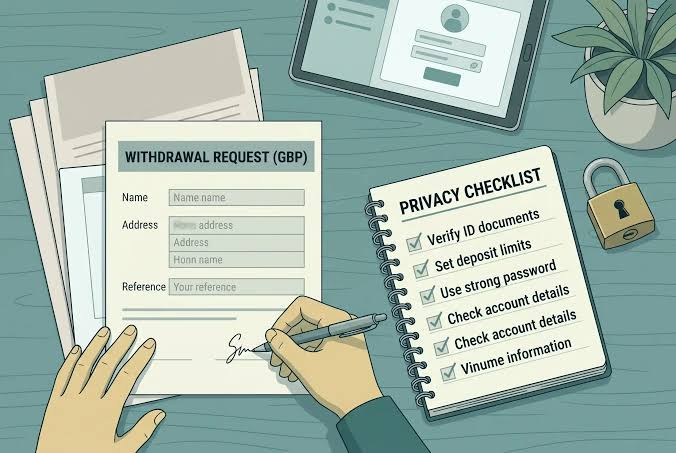
Before requesting money from tt88 com, it is worth checking whether the account information and identity documents are consistent, current, and easy to verify. A useful way to understand withdrawals is to separate the stages: the service reviews the request, the destination details are checked, the transaction is approved or rejected, and then a bank or wallet may need additional time to complete the transfer.
Good records and accurate account information reduce uncertainty. So does knowing which support route is legitimate, because withdrawal anxiety is exactly what scammers exploit when they impersonate customer-service staff.
This guide explains the practical side of withdrawal requests: what can be checked before submitting, why verification may appear, how to interpret common status messages, and how to avoid the scams that often target people waiting for a payment. It gives support a cleaner timeline to investigate.
Understand pending, approved, and rejected states
“Pending,” “approved,” “processing,” and “completed” describe different stages, and they should not be treated as interchangeable. A pending request may still be waiting for review, while an approved request may already have moved to the payment provider. Once the money leaves the service, bank or wallet processing can add time that the original platform does not fully control. That makes the next follow-up easier to direct.
The status history and timestamp help identify which stage needs attention.
Make Verification Easy to Approve
Identity checks are easier when the account name, date of birth, contact information, and submitted documents all agree. Users should submit documents only through the service’s established verification route and avoid sending them to people who contact them privately. If verification is requested unexpectedly, first confirm the request inside the account or through a known support channel. The same record can prevent confusion between multiple requests.
Keep evidence of every request
Keep a record of the withdrawal amount, request time, destination method, status, and reference number. Screenshots can be useful when a status later changes, but they should not expose passwords, full card numbers, or authentication codes. A transaction log is especially helpful when several deposits and withdrawals occur close together. It gives support a cleaner timeline to investigate.
Clear records make it easier to explain the issue and reduce the chance of confusing one request with another. This reduces the pressure to cancel and resubmit unnecessarily.
Common reasons a request needs attention
A request may need attention because verification is incomplete, the payment method does not match, a limit has been reached, or the account has an unresolved condition. Promotional terms can also affect withdrawal eligibility when an offer was accepted earlier. The correct response depends on the reason, which is why guessing or repeatedly cancelling and resubmitting the request can make the history harder to understand. It also keeps the request history clear if support is needed.
The detail worth checking
Read the displayed status and any account message before contacting support.
How to communicate with support clearly
Include the request time, amount, reference number, current status, and the steps already tried. Avoid sending the same case through several channels at once unless the service instructs you to do so, because duplicate tickets can split the information. Keep copies of important replies and note any promised review window so you know when a follow-up is reasonable. It gives support a cleaner timeline to investigate.
Protect yourself from fake withdrawal assistance
Delayed withdrawals are a common theme in impersonation scams because worried users are more likely to respond quickly. Be suspicious of anyone who promises to “unlock” a withdrawal in exchange for an extra fee, cryptocurrency transfer, remote access session, or authentication code. Use only the support routes you can verify through the service itself. That makes the next follow-up easier to direct.
- Never install software or share your screen with an unsolicited helper who claims to be processing the payment. It also keeps the request history clear if support is needed.
Treat withdrawals as part of a spending plan
Withdrawals are also a useful moment to review personal spending rather than immediately recycling the money into another session. Some users find it helpful to move withdrawn funds back to the account used for ordinary budgeting and record the result as part of their entertainment spending. Keeping wins, losses, deposits, and withdrawals visible in one simple record gives a more realistic picture than focusing on a single successful transaction. It also keeps the request history clear if support is needed.
If the activity stops feeling recreational or controlled, reducing access and seeking support is a sensible next step. This helps separate platform review from payment-provider processing.
Why withdrawals may involve extra checks
Withdrawals can require more checks than deposits because the service must confirm where the money is going and who is requesting it. Identity verification, payment-method matching, security review, and account-status checks are common categories of control across many online services. The exact process depends on the platform, so users should rely on its published rules rather than assumptions from another site. That clarity is especially useful when a status changes.
Names and Payment Details Need to Match
A withdrawal method may need to match the name, account, or payment route already associated with the user. Mismatched details can trigger extra review because they resemble fraud or account takeover. Before submitting, check the spelling of the account holder’s name, the destination details, and any method-specific limits. It also keeps the request history clear if support is needed.
If the preferred method is unavailable, read the alternative instructions carefully instead of improvising a transfer route.
Questions to Ask Yourself
- Are my account and payment details consistent?
- Is verification complete?
- Do I know the current request status?
- Am I using a support route I can verify?
Do not confuse platform processing with bank processing
Once a withdrawal is approved, the transaction may still need to travel through an external bank, wallet, or payment processor. That means a status change inside the account does not always correspond to money appearing instantly at the destination. Users should distinguish the platform’s processing window from the provider’s settlement time and avoid opening a new support case for every normal delay. A reference number and timestamp make it easier to determine which side of the transfer currently has responsibility. This helps separate platform review from payment-provider processing.
Use withdrawal history to understand the real result
Looking only at a successful withdrawal can create a distorted view of overall spending. A better financial record compares the amount deposited, the amount withdrawn, any fees, and the time period involved. This gives a clearer picture of the net result and helps users make more deliberate decisions about future entertainment spending. The purpose is not to predict outcomes but to replace memory and emotion with actual numbers. The same record can prevent confusion between multiple requests.
Frequently Asked Questions
Why can a withdrawal take longer than a deposit?
It may involve identity, account, security, and payment-method checks before the transfer is released.
Should I cancel and resubmit a pending request?
Not unless the service instructs you to. Repeated changes can make the transaction history harder to interpret.
What information helps support investigate?
Provide the amount, request time, reference number, destination method, current status, and any relevant message shown in the account. That clarity is especially useful when a status changes. That reduces verification friction.
What to Remember
A withdrawal is both a payment event and a security event. Treating it with the same care as online banking—checking details, protecting verification information, and keeping records—creates a clearer and safer process. It gives support a cleaner timeline to investigate.
Users should be especially cautious when a delayed payment creates urgency. Scammers rely on that pressure to persuade people to share codes, install software, or send an extra fee.
If you are ready to request funds, use the site’s rút tiền tt88 page and keep the reference details until the transfer has fully completed. It also keeps the request history clear if support is needed.
If a payment issue becomes stressful, focus on documented facts, verified support, and personal spending limits rather than urgency. Clear records make follow-up easier, especially when more than one payment stage is involved at once. This helps separate platform review from payment-provider processing.